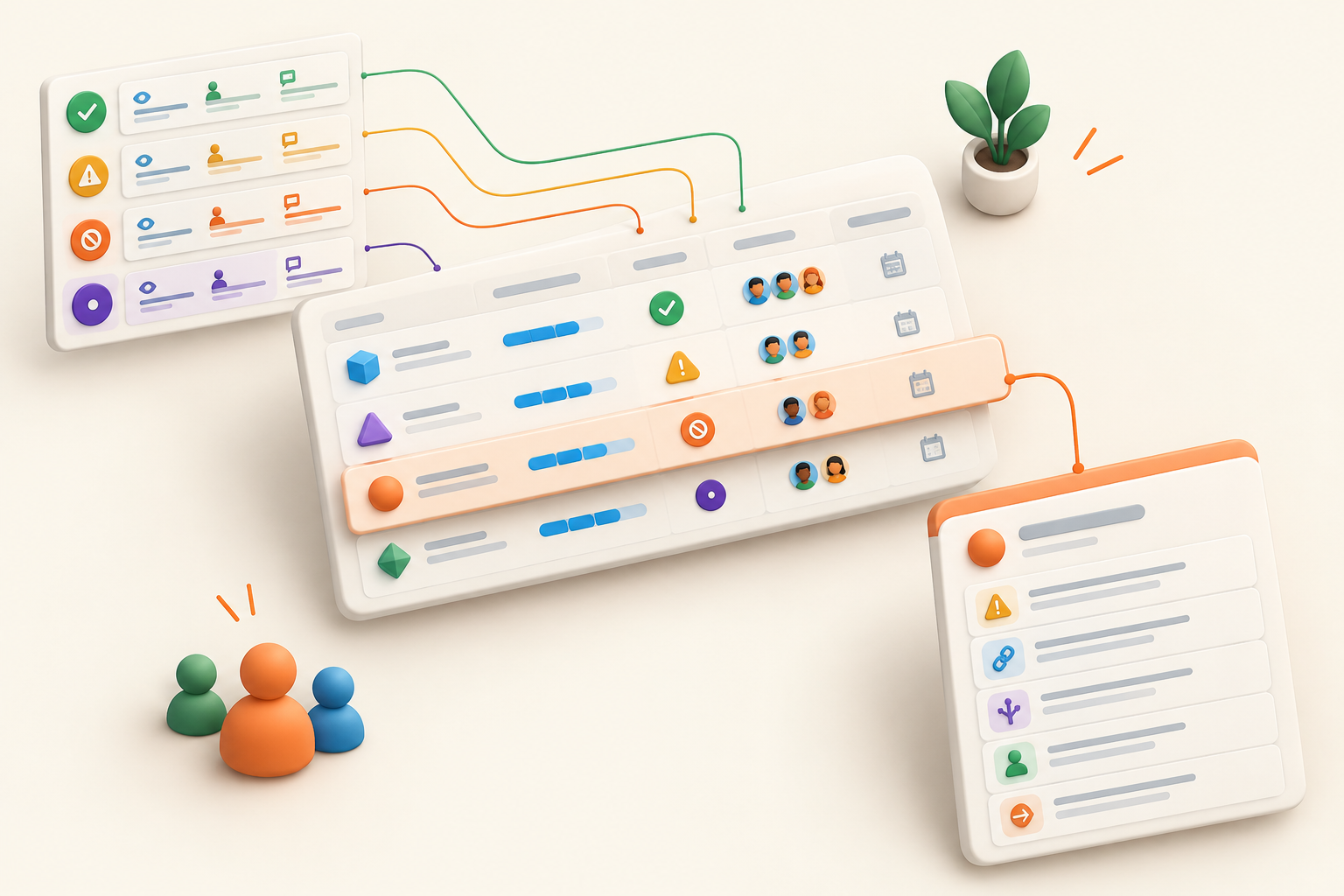
Project Status Definitions: Give Blocked, At Risk, and Off Track Real Meanings
Define project health labels with observable conditions, clear owners, and required responses so every update leads to a useful next action.
Updates and insights on building calmer, clearer workspaces.
Define project health labels with observable conditions, clear owners, and required responses so every update leads to a useful next action.
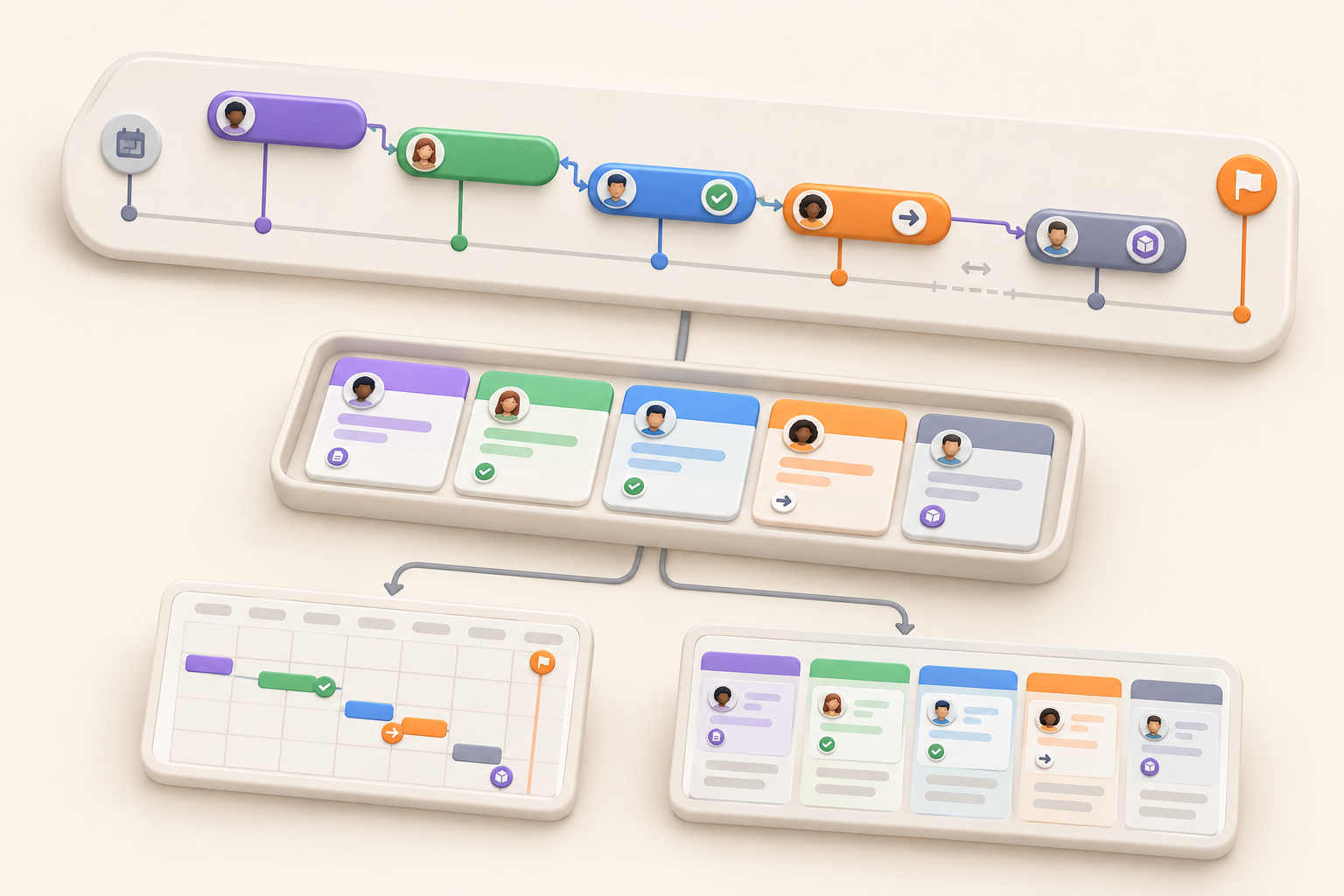
Build backward from a fixed deadline, expose the work that controls the schedule, and keep planning and execution in one collection with views for different audiences.
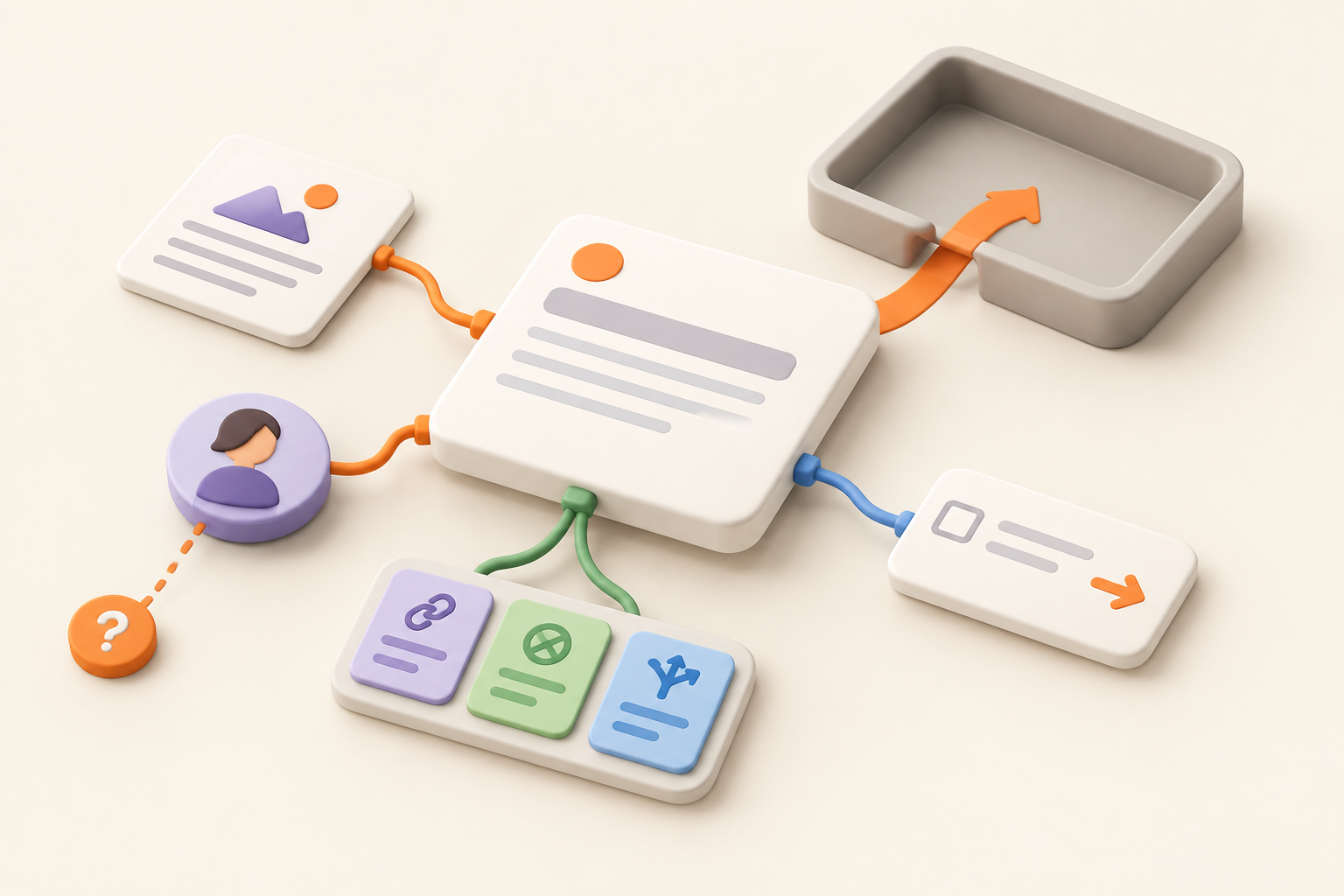
Learn what Definition of Ready means in Scrum, then use a four-question check to decide whether everyday team work has enough context to begin.
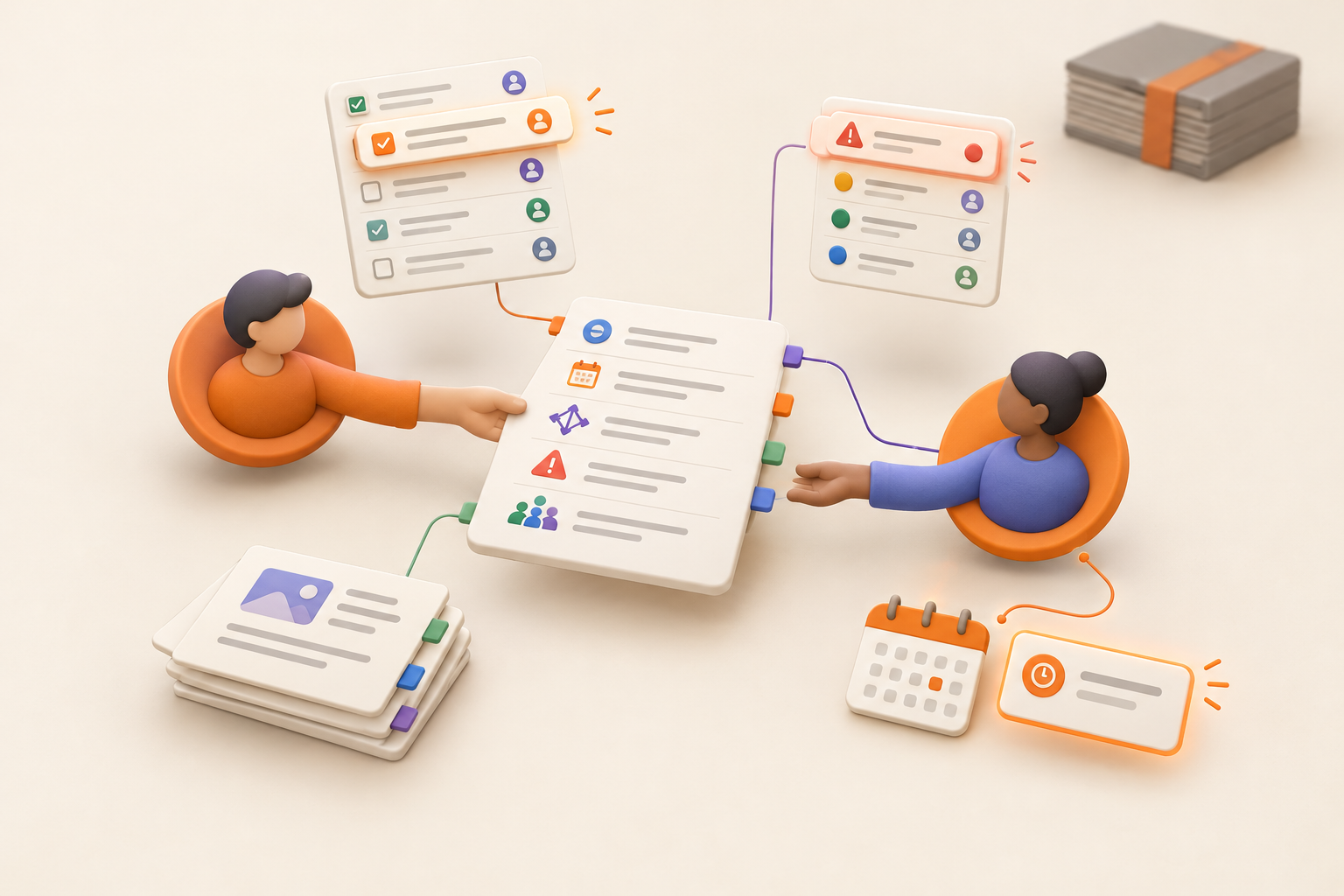
Create a compact project handoff that gives the new owner current context, immediate commitments, unresolved decisions, risks, and direct links to the work still moving.
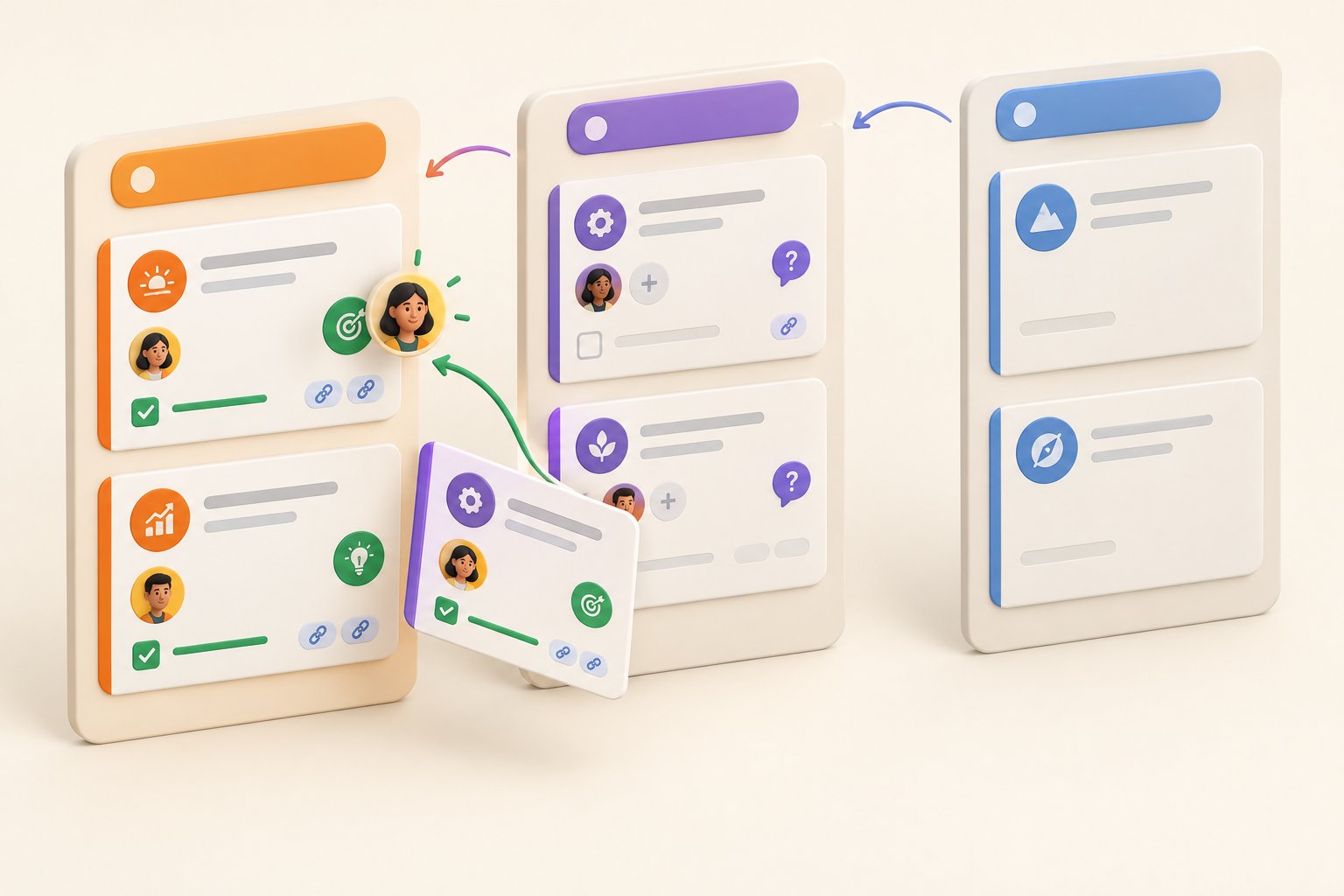
Treat Now, Next, and Later as levels of confidence, with practical rules for commitment, ownership, detail, and movement between horizons.
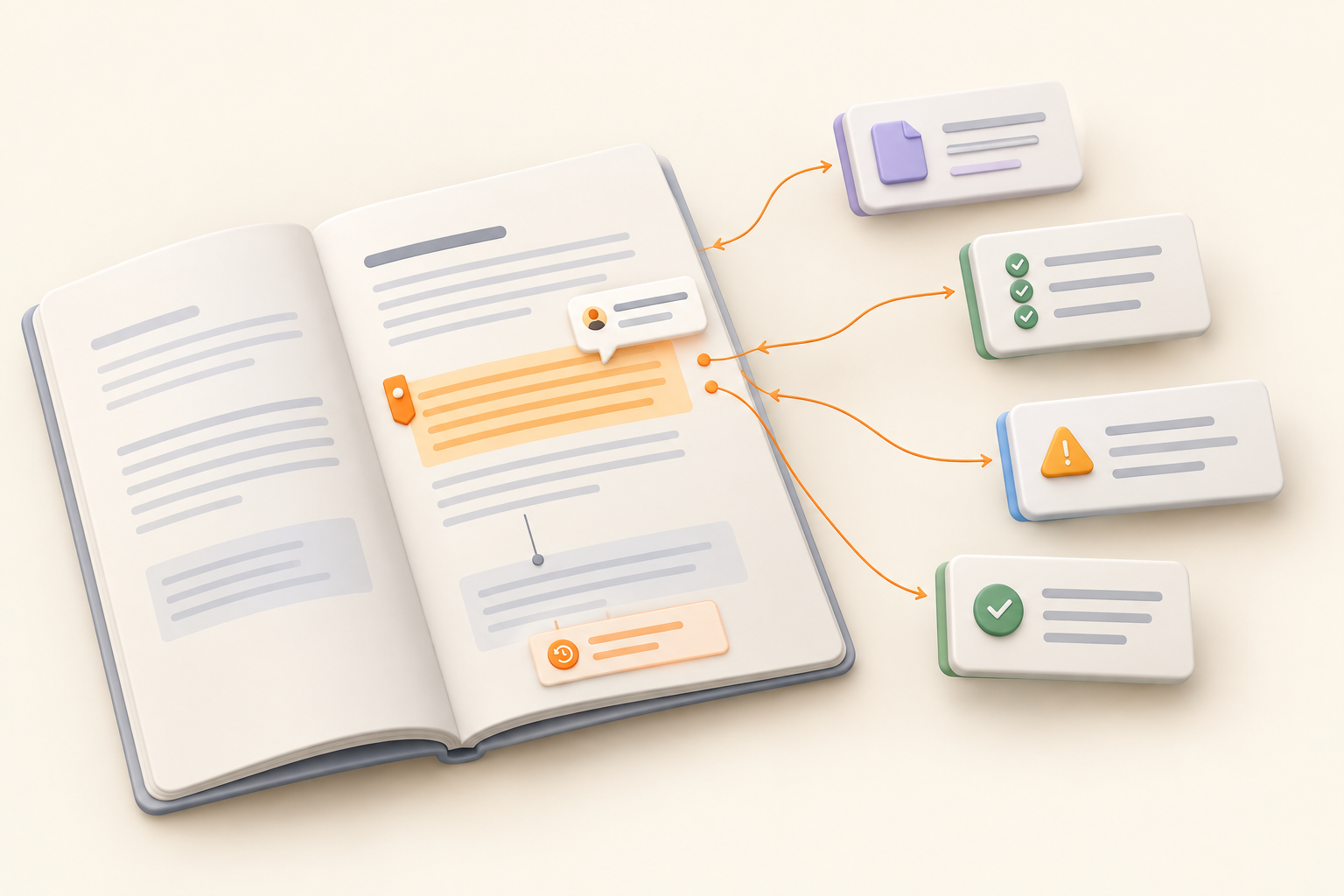
Learn what requirements traceability means and how to keep an evolving specification readable while linking important requirements to the tasks, issues, and decisions that shape them.
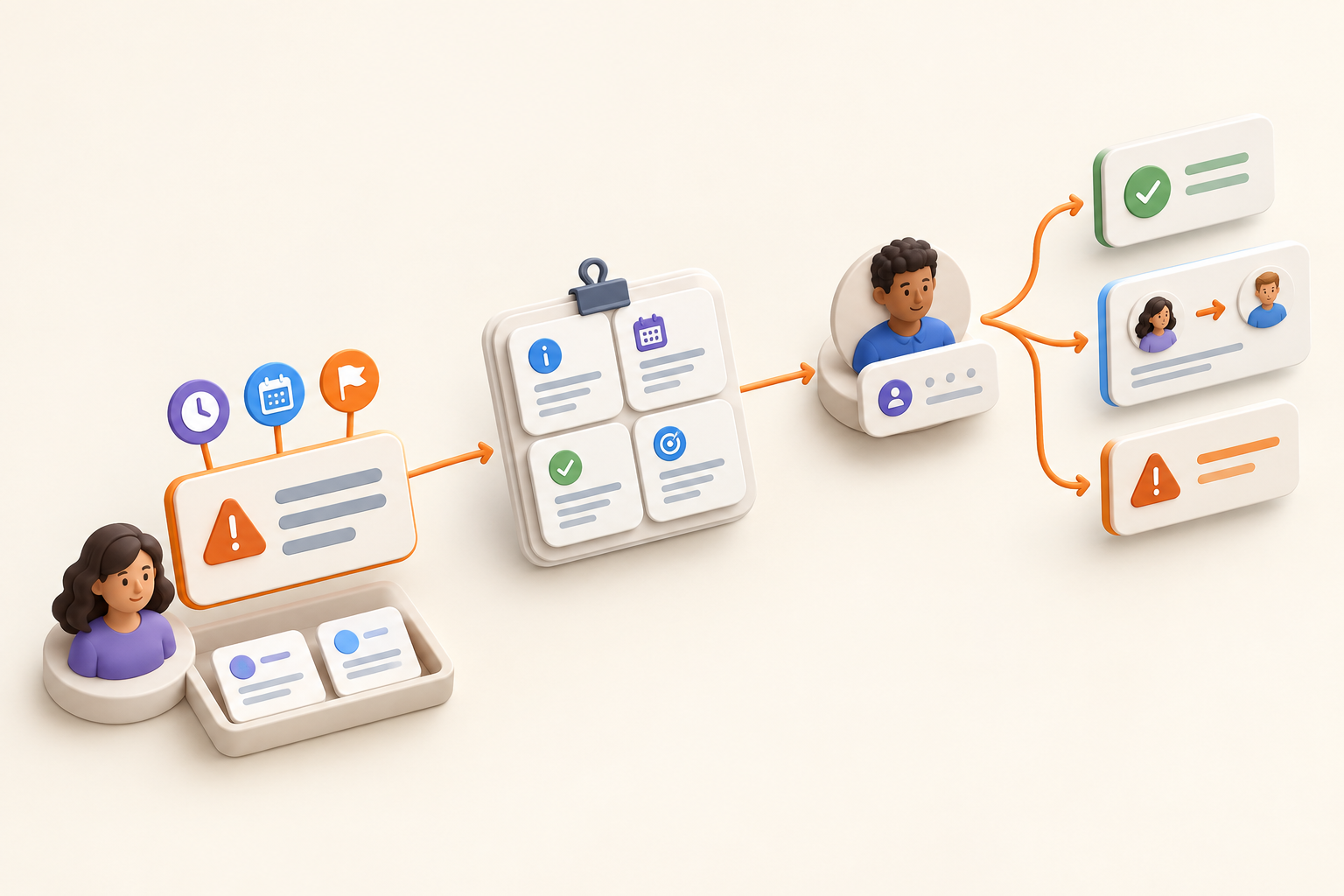
Define clear escalation triggers, send useful context, and route blocked or risky work to someone with the authority to act.
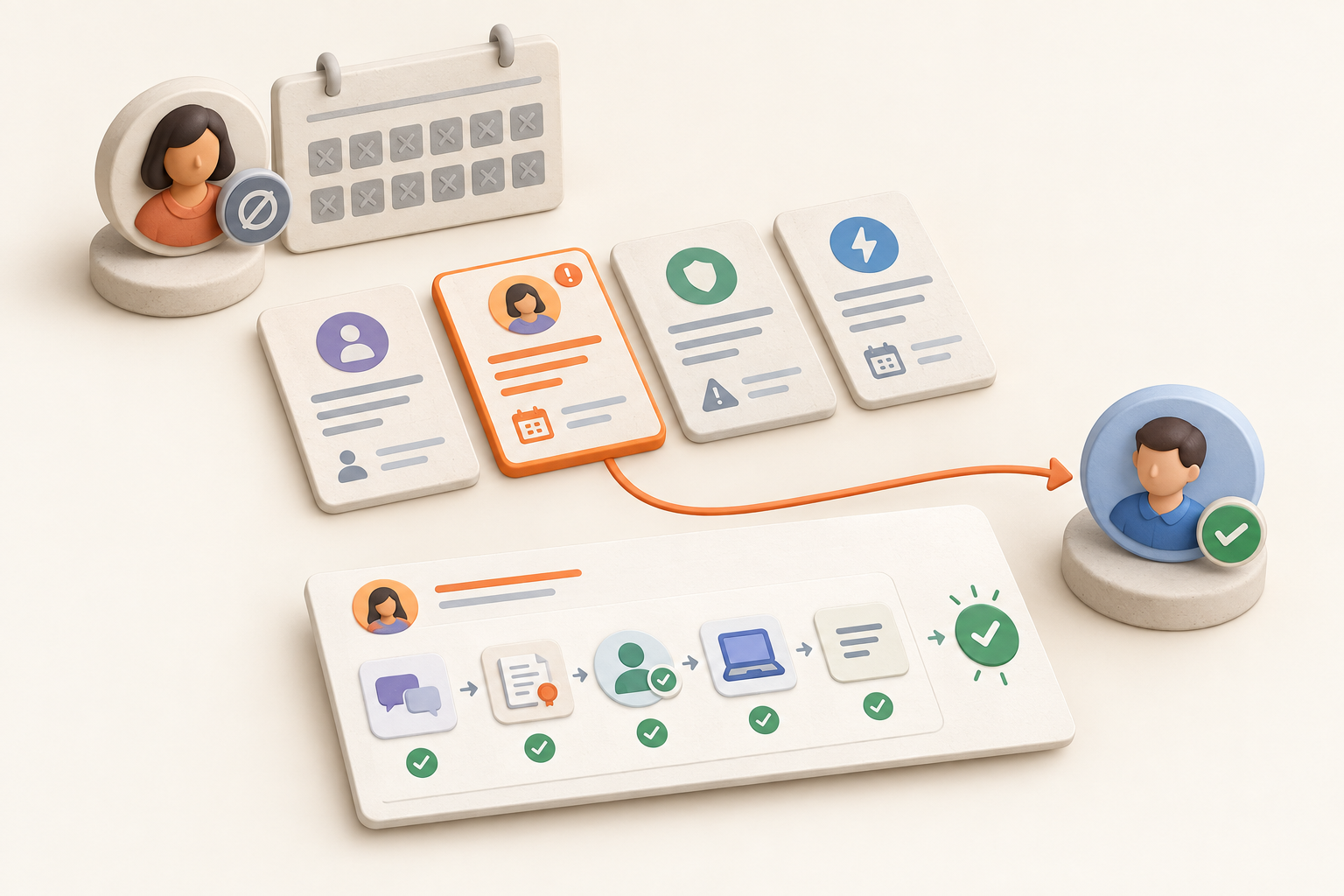
Use a two-week absence test to find critical responsibilities, assign realistic backups, and capture the minimum context needed to keep work moving.
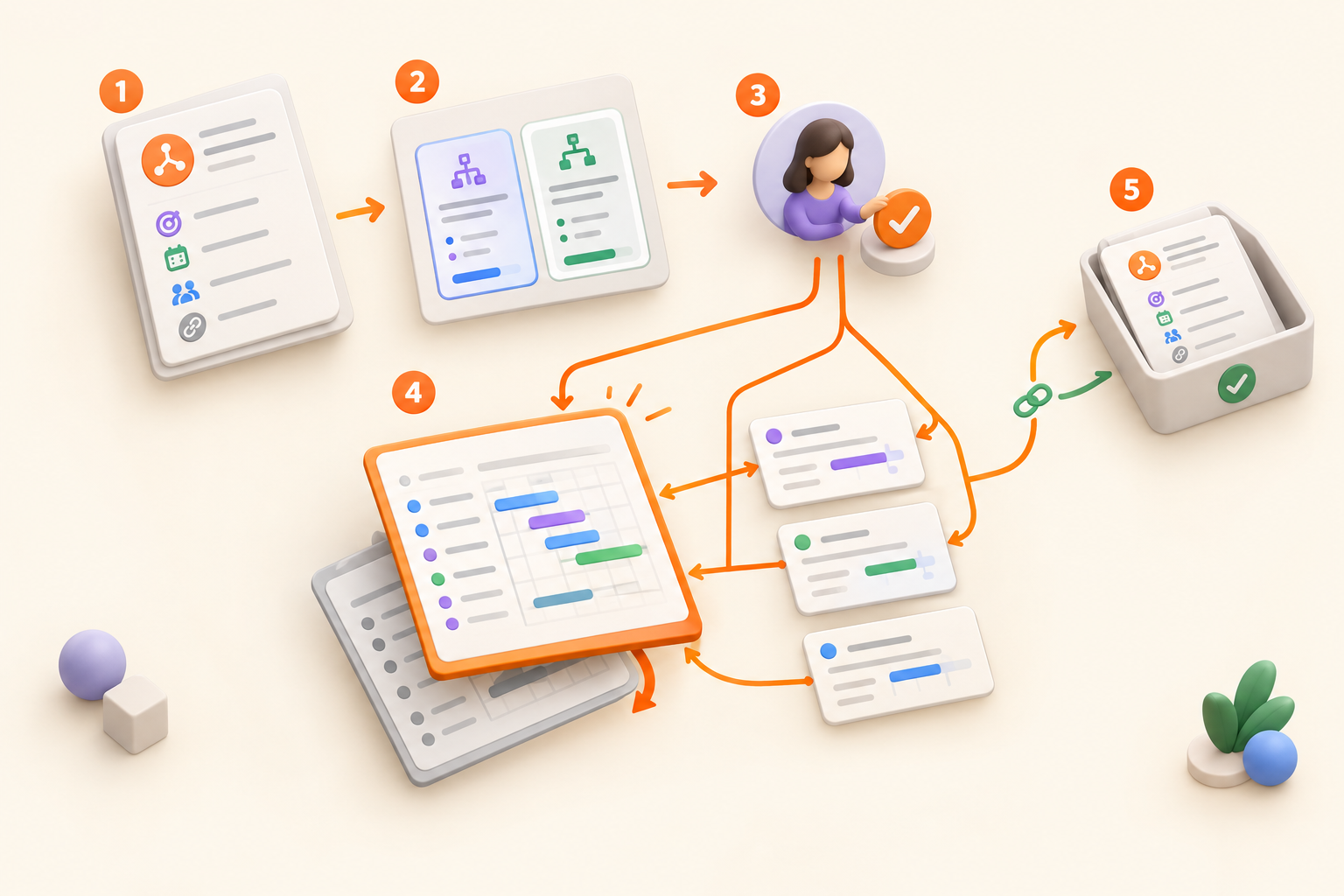
A practical five-step process for reviewing meaningful project changes, recording the decision, and keeping the accepted plan and affected tasks current.
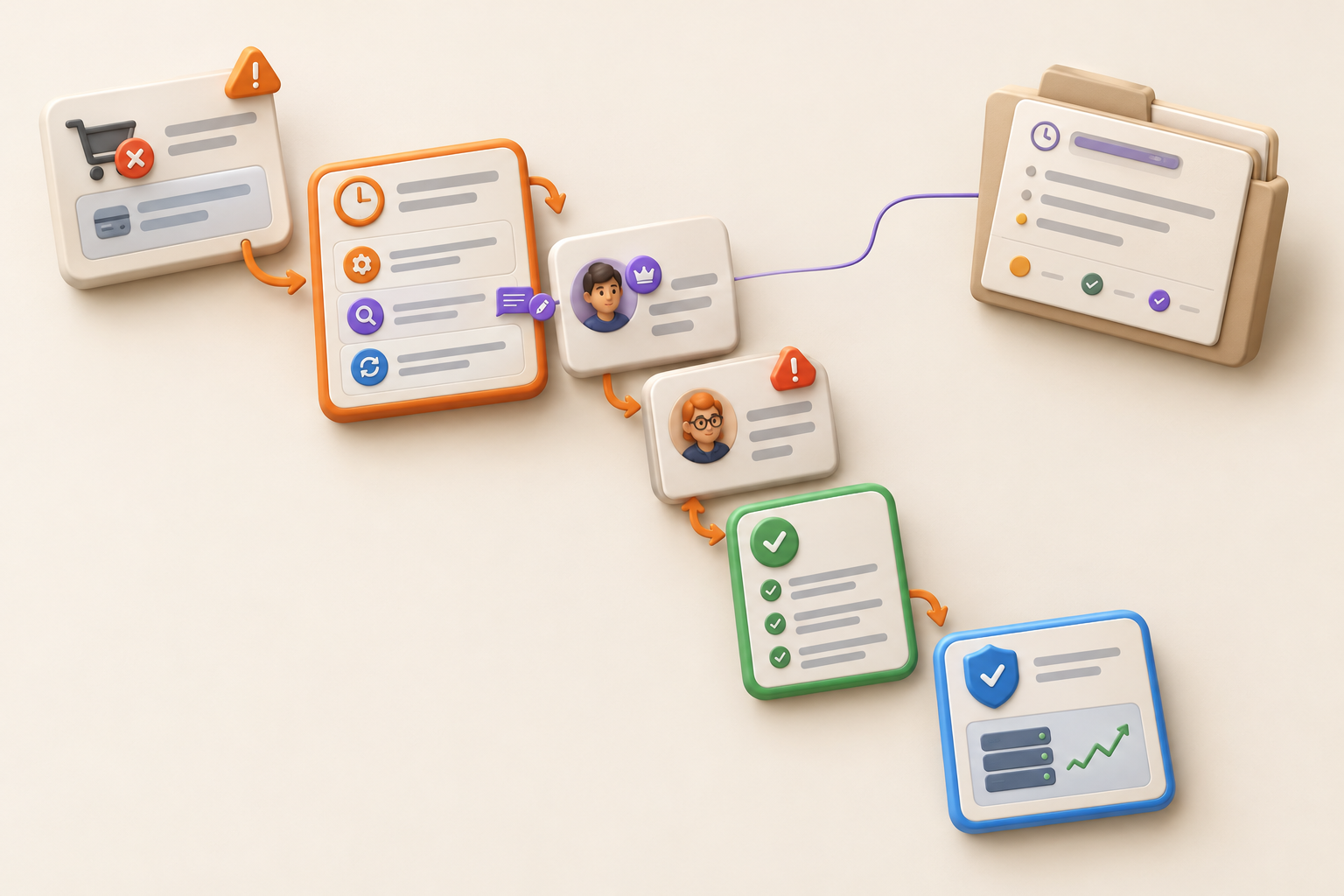
Learn how to write an action-first operational runbook with clear triggers, immediate steps, ownership, escalation, verification, recovery, and follow-up improvements.
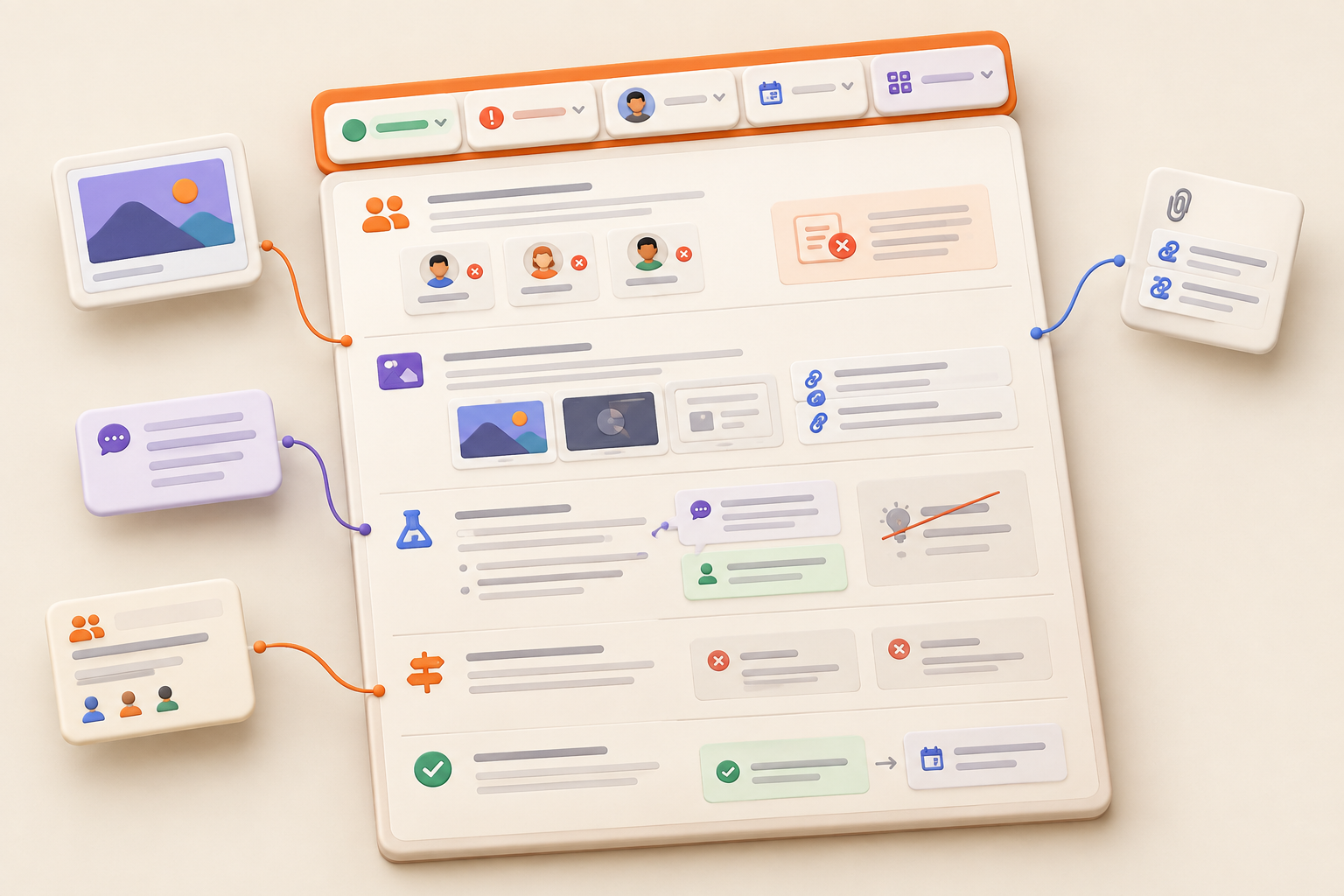
Learn what belongs in issue fields and what belongs on the issue page. This practical guide covers evidence, investigation notes, decisions, resolution, and follow-up for product, support, and operations teams.
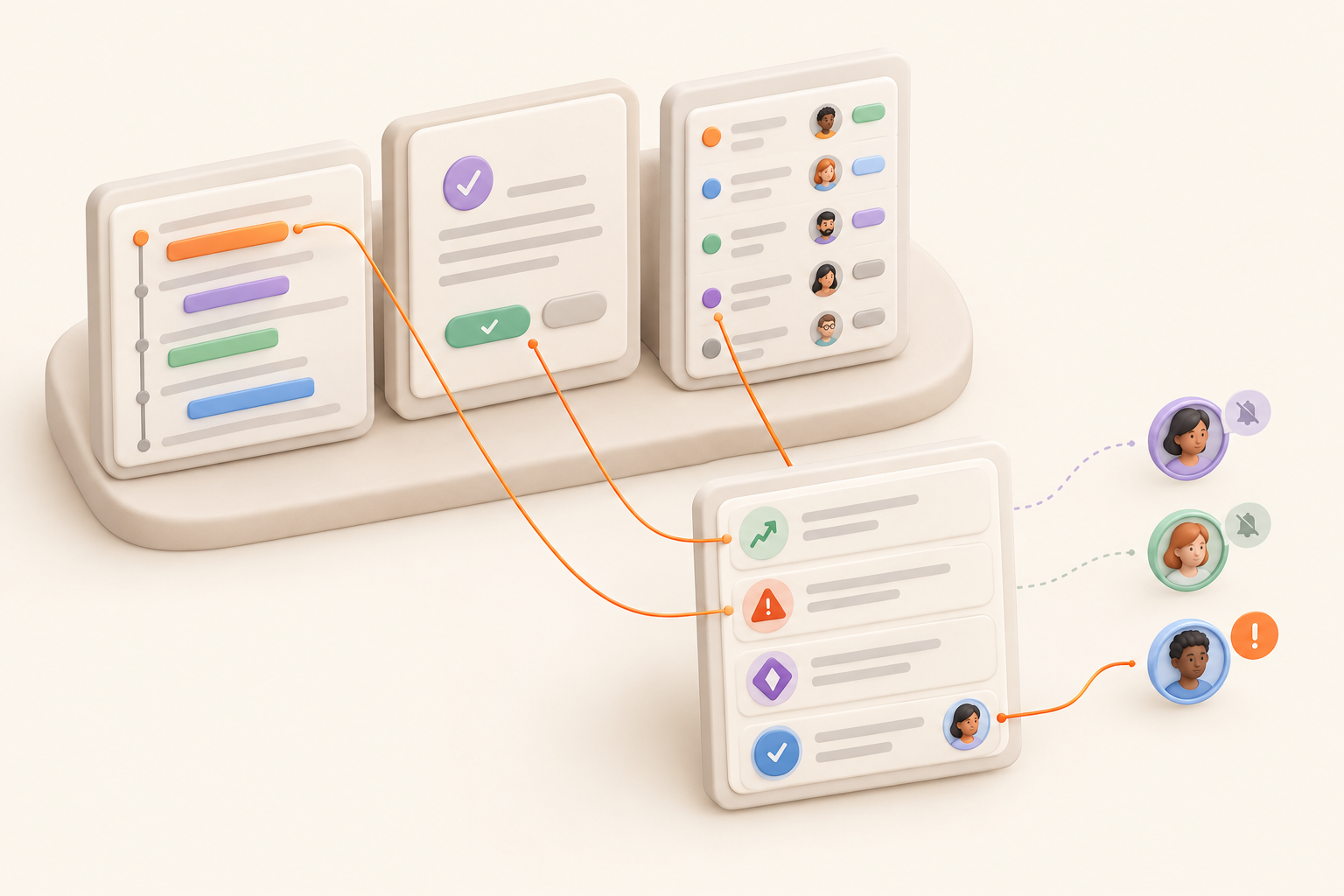
Use a four-part format to write an async project update from maintained project context, covering changes, blockers, decisions, and owned next actions without creating a second tracker.
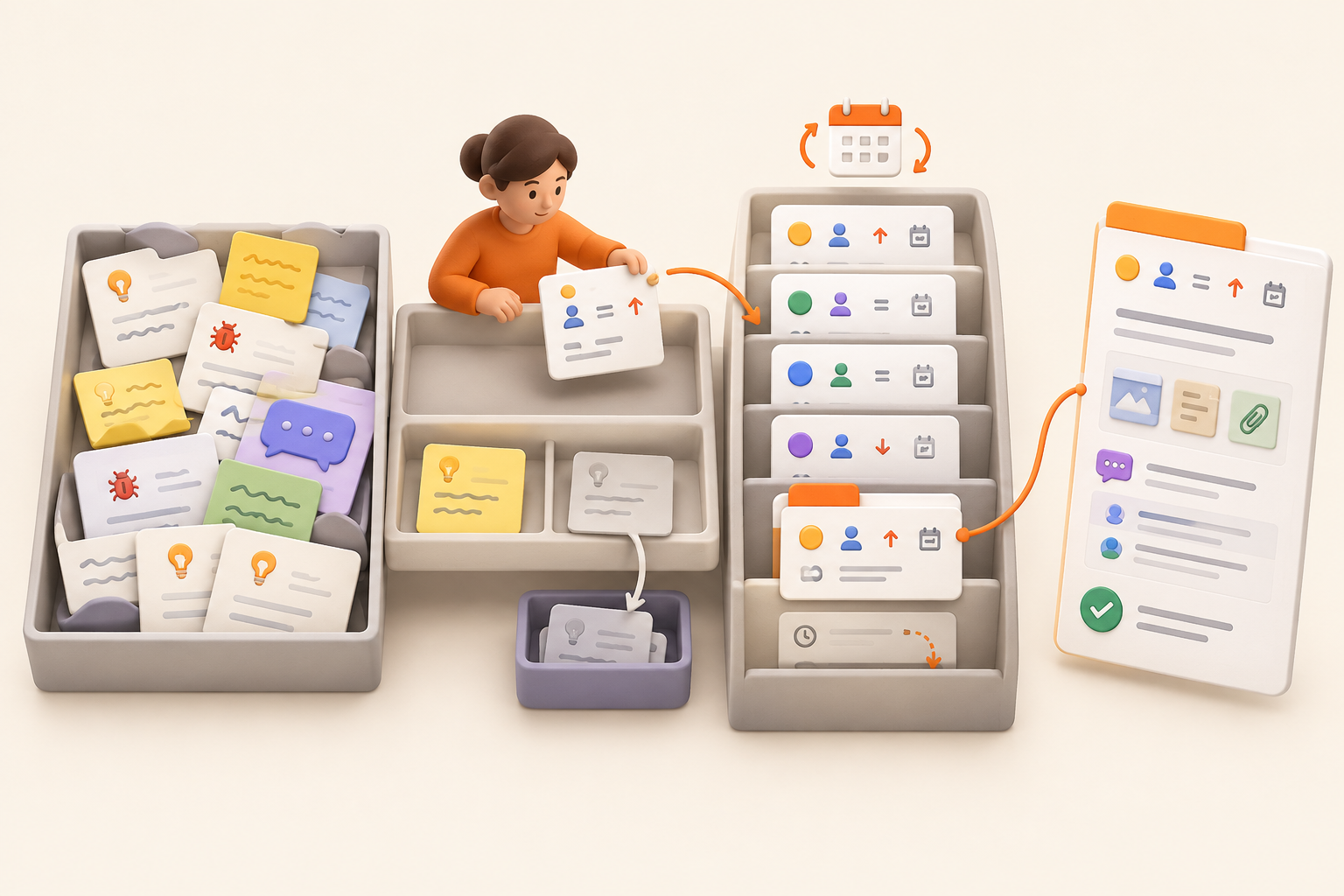
A lightweight backlog hygiene policy for small teams: decide what enters, preserve enough context, review work regularly, and remove stale items.
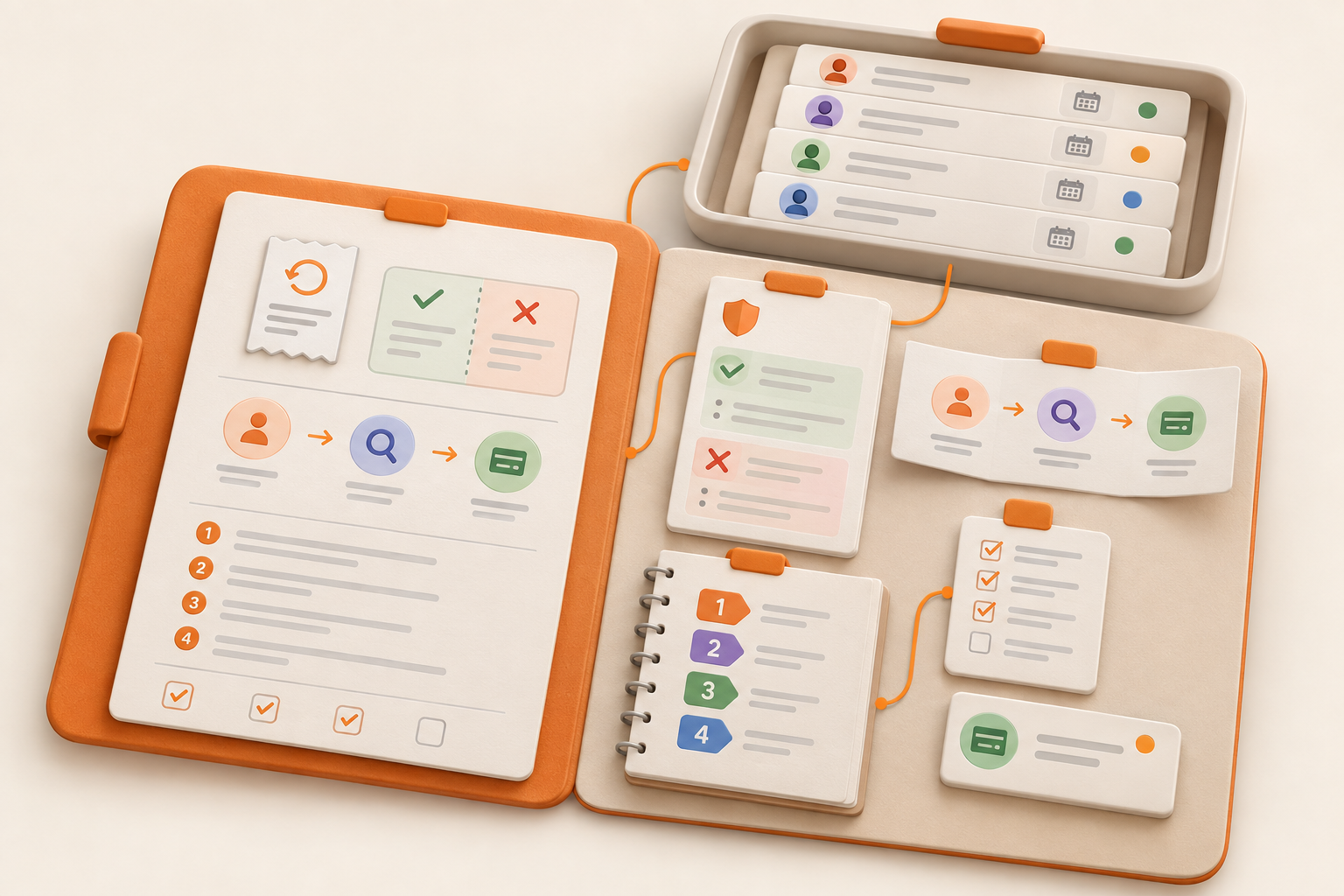
Learn how policies, processes, procedures, SOPs, playbooks, and checklists differ, then decide when one page is enough and when repeated operational work needs structured entries.
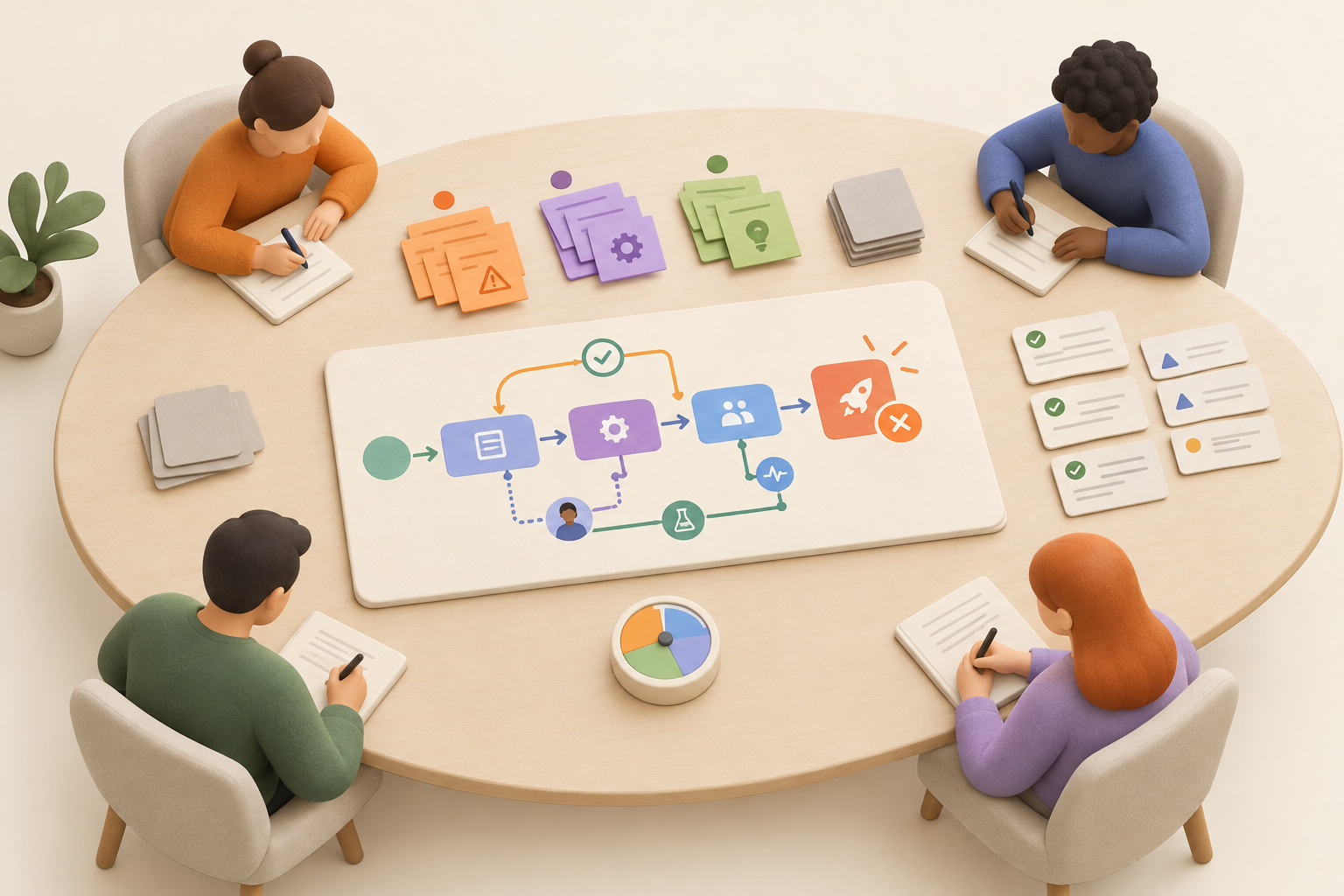
Run a focused project premortem, filter speculative risks, and turn credible failure causes into plan changes, owned tasks, issues, or monitoring signals.
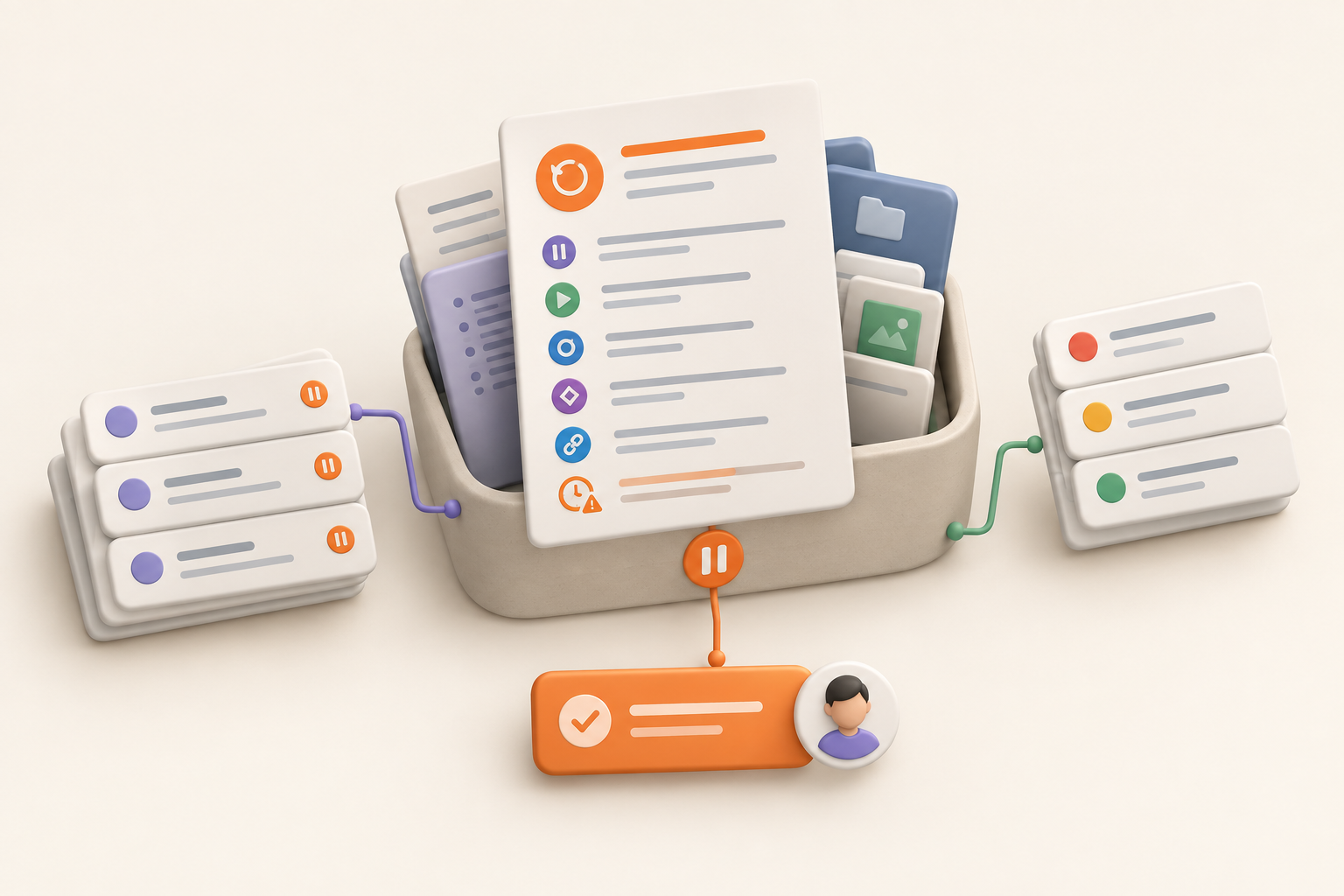
Create a compact restart point that preserves why a project paused, what remains open, what may become stale, and who should act first when work resumes.

Build a shared operational calendar for recurring small-team obligations, with clear owners, preparation windows, required inputs, supporting instructions, and follow-up work.
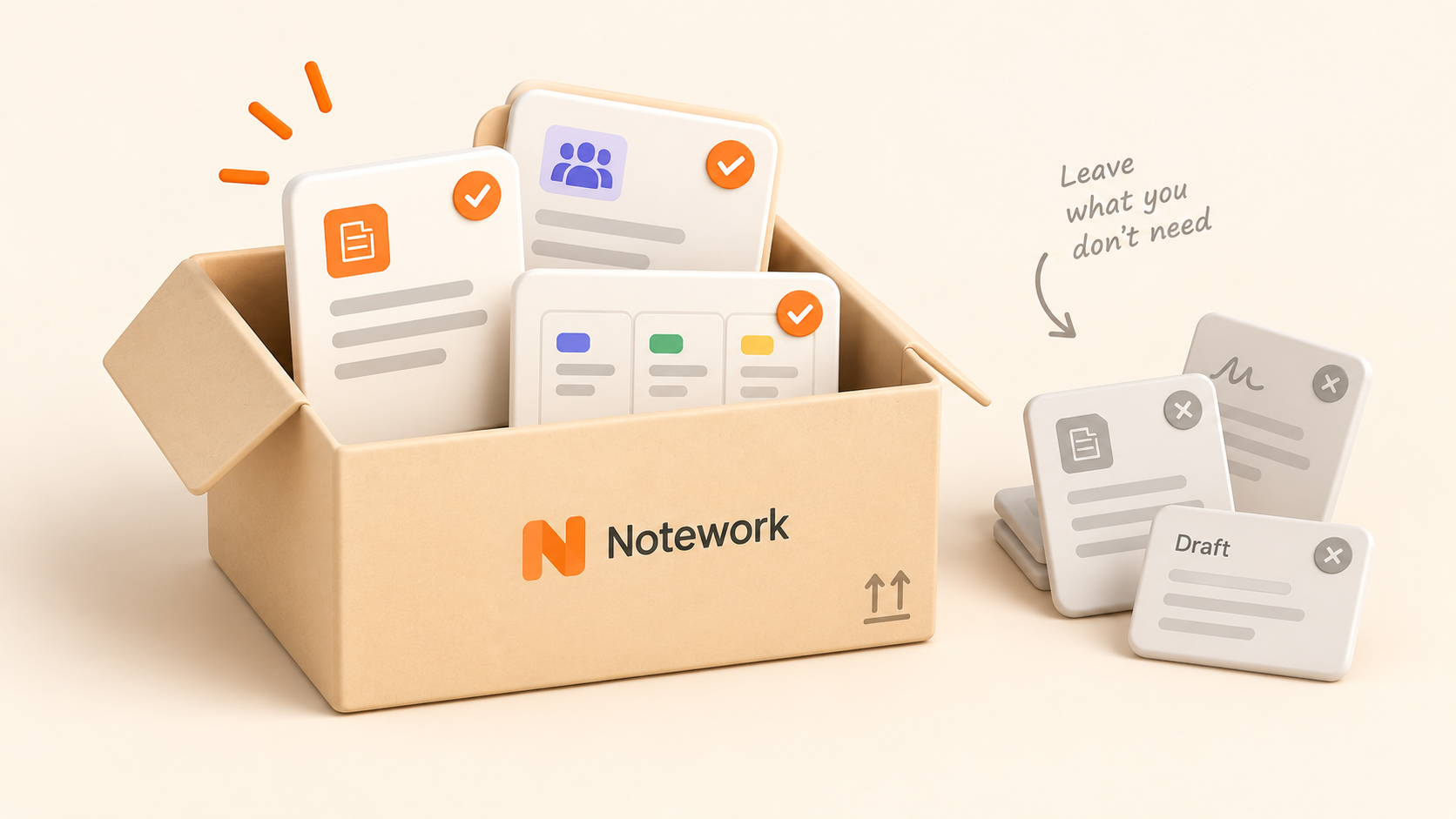
Moving to a new workspace is a good opportunity to decide what should come with you. Learn how to review outdated pages, duplicates, structure, and ownership before migrating your team's work.
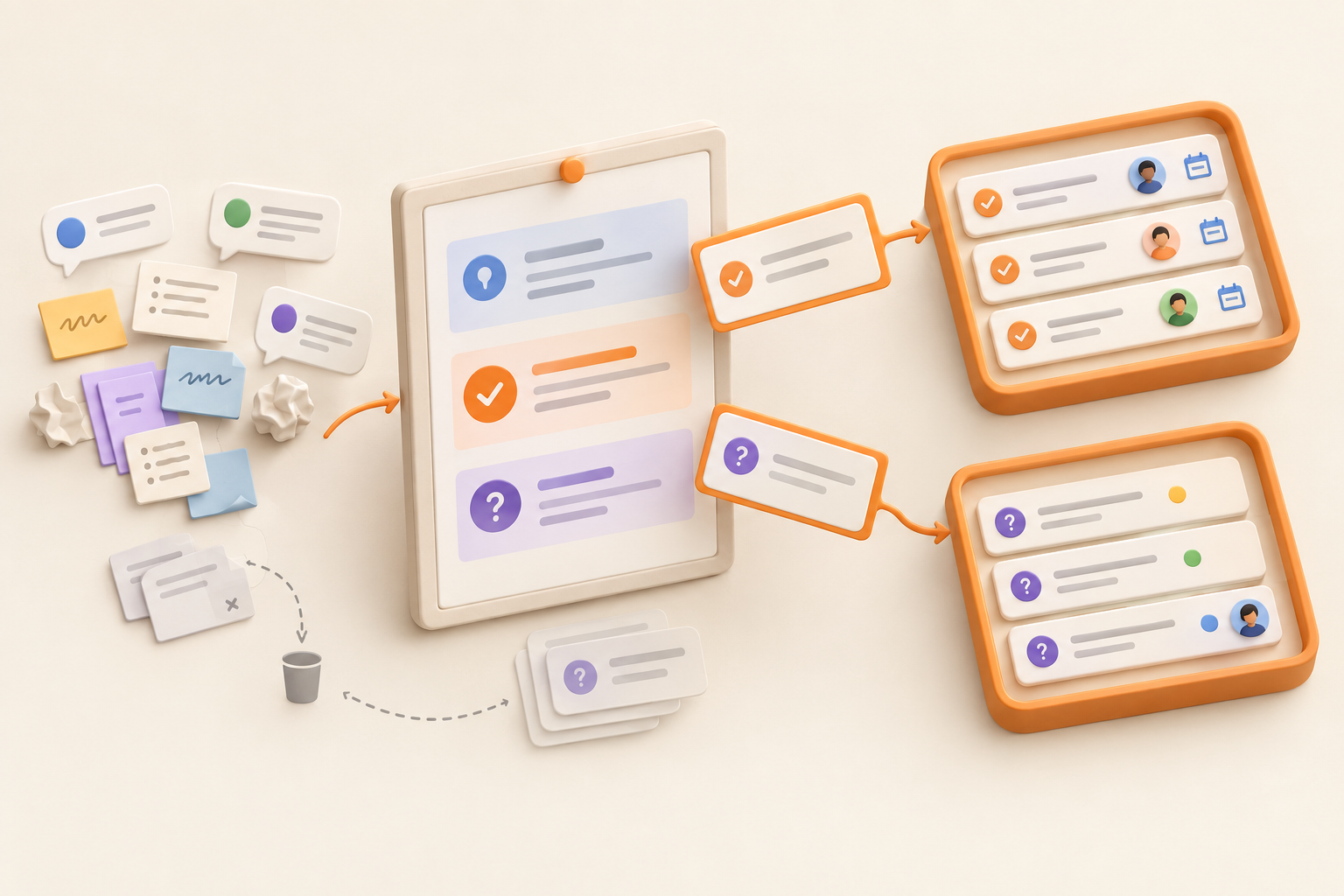
Turn rough meeting notes into a concise project-linked record of decisions, owned actions, deadlines, and open questions without creating a second task tracker.
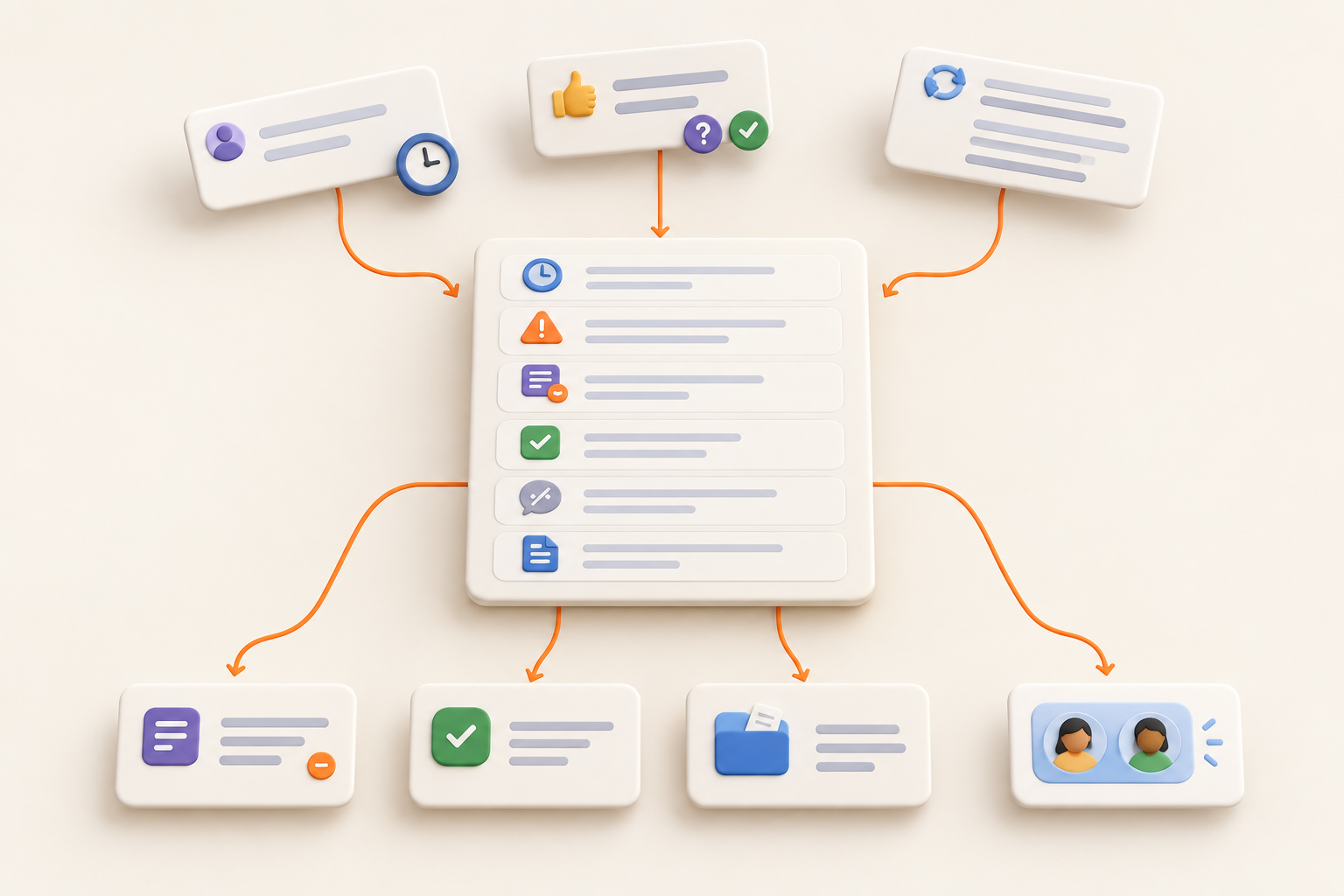
Create a short working agreement that defines response windows, urgent requests, approvals, decision records, and when an async thread should become a call.

Use a durable-boundary test to decide whether new work needs its own project or belongs as a task, page, or issue inside an existing one.
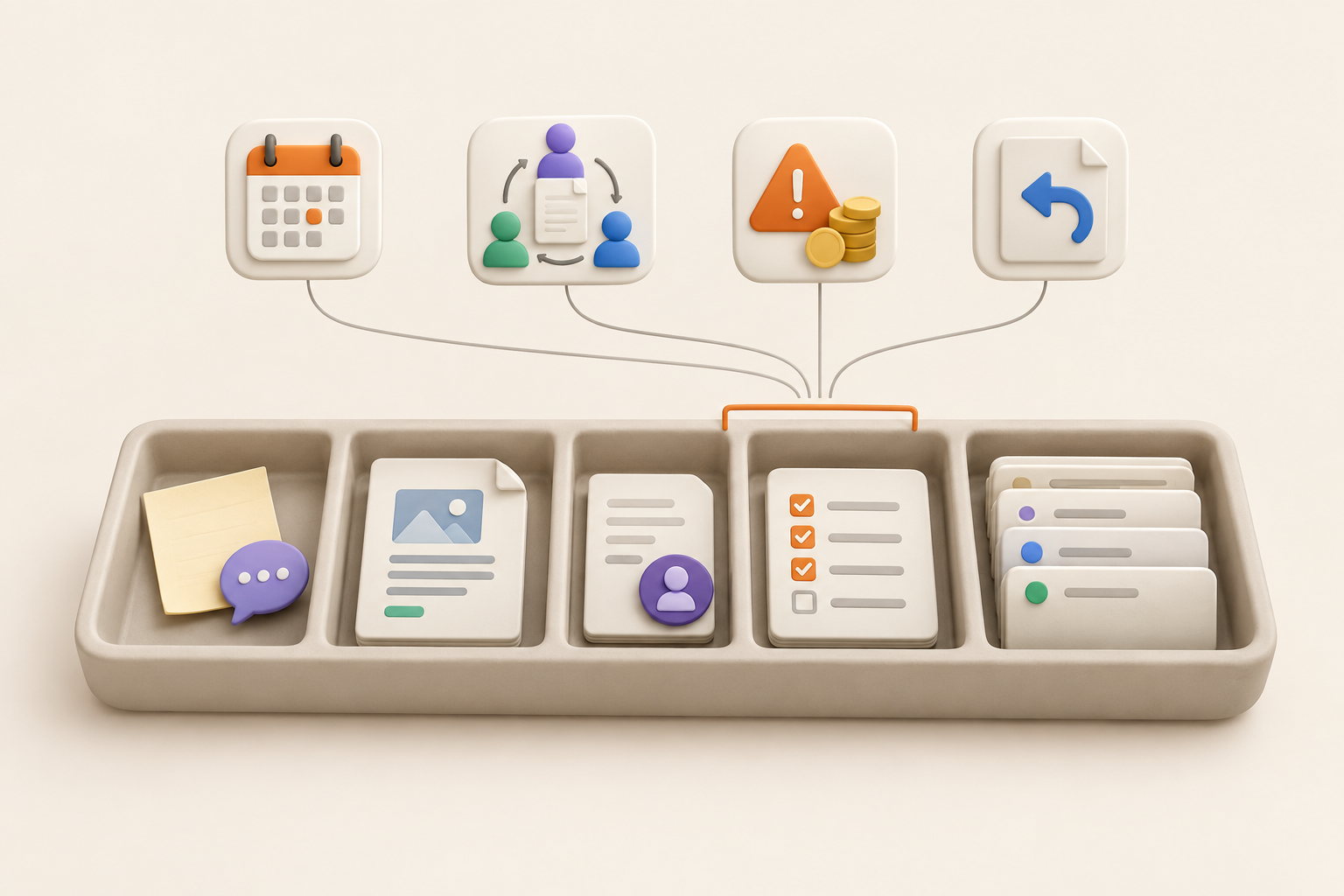
Use four practical questions to decide when recurring work needs a page, owner, checklist, or structured tracking, and when it should stay informal.
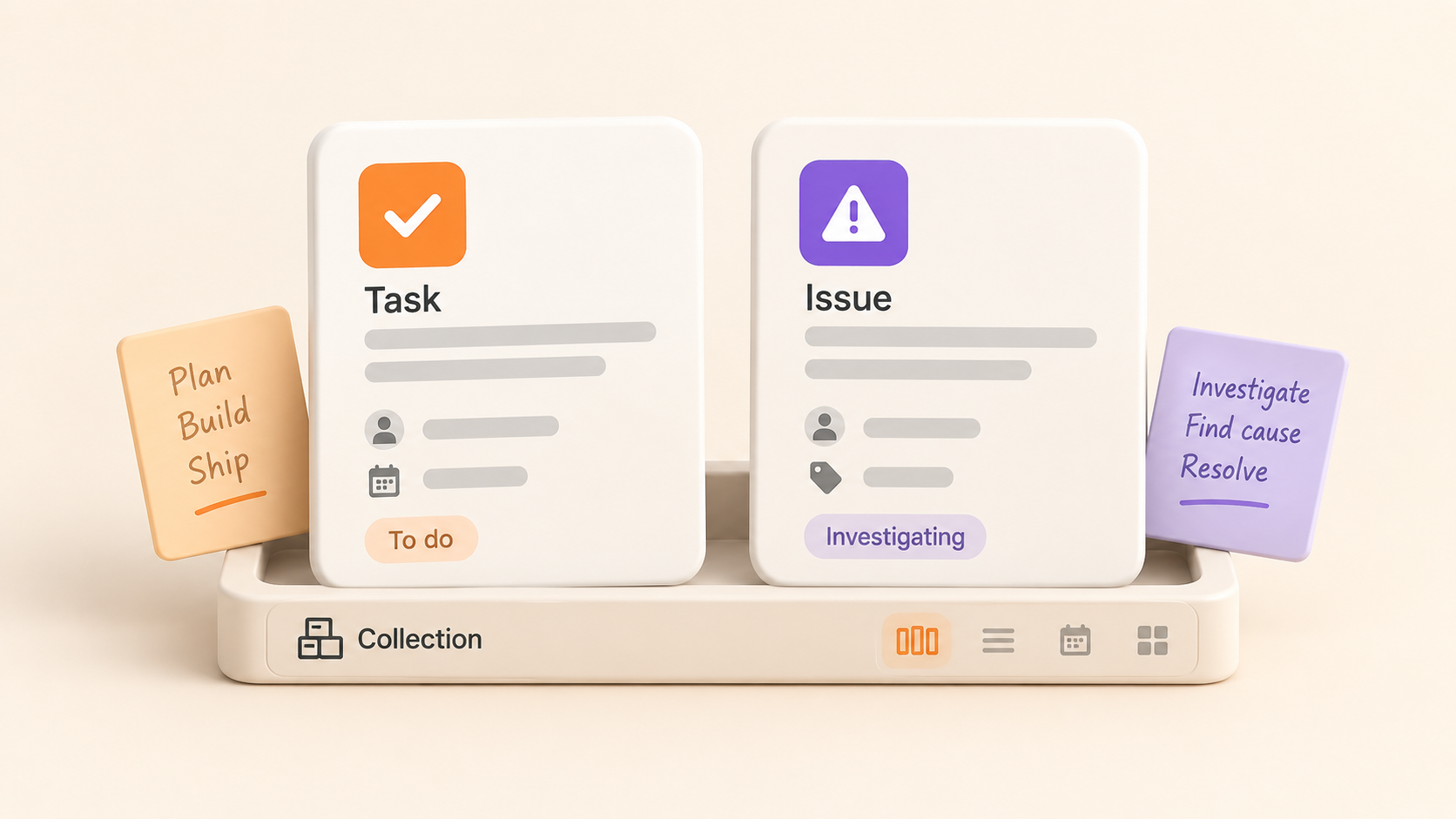
Tasks and issues can look similar in a project tracker, but they describe different kinds of work. Learn when each term is useful and how a clear distinction can make tracking work easier.

Build a concise project overview that shows teammates what the project is, what is happening now, who owns the next move, and where the live work belongs.
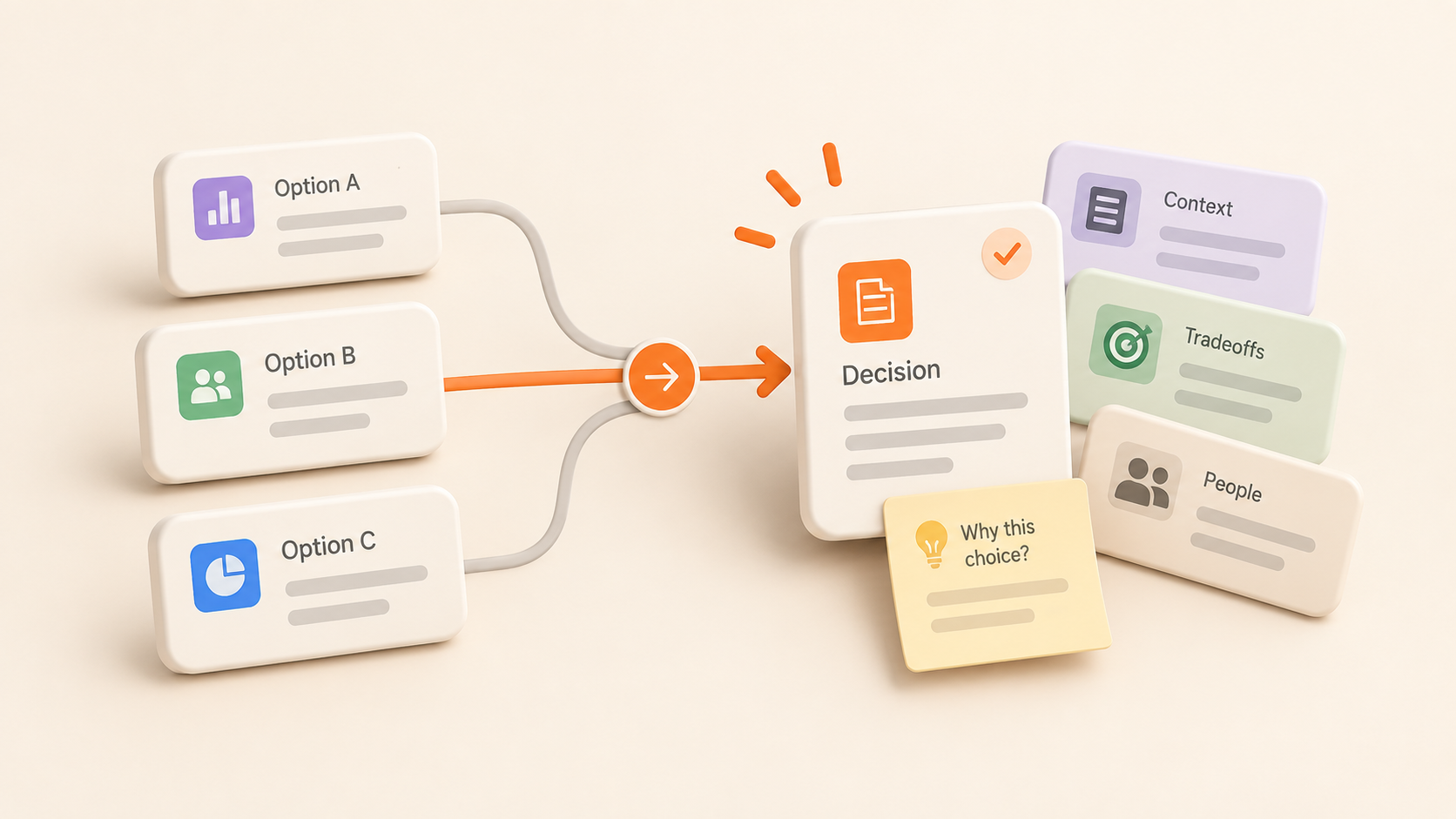
A practical approach to documenting team decisions, including the context and reasoning behind them, so people can understand what was decided without reconstructing the conversation months later.
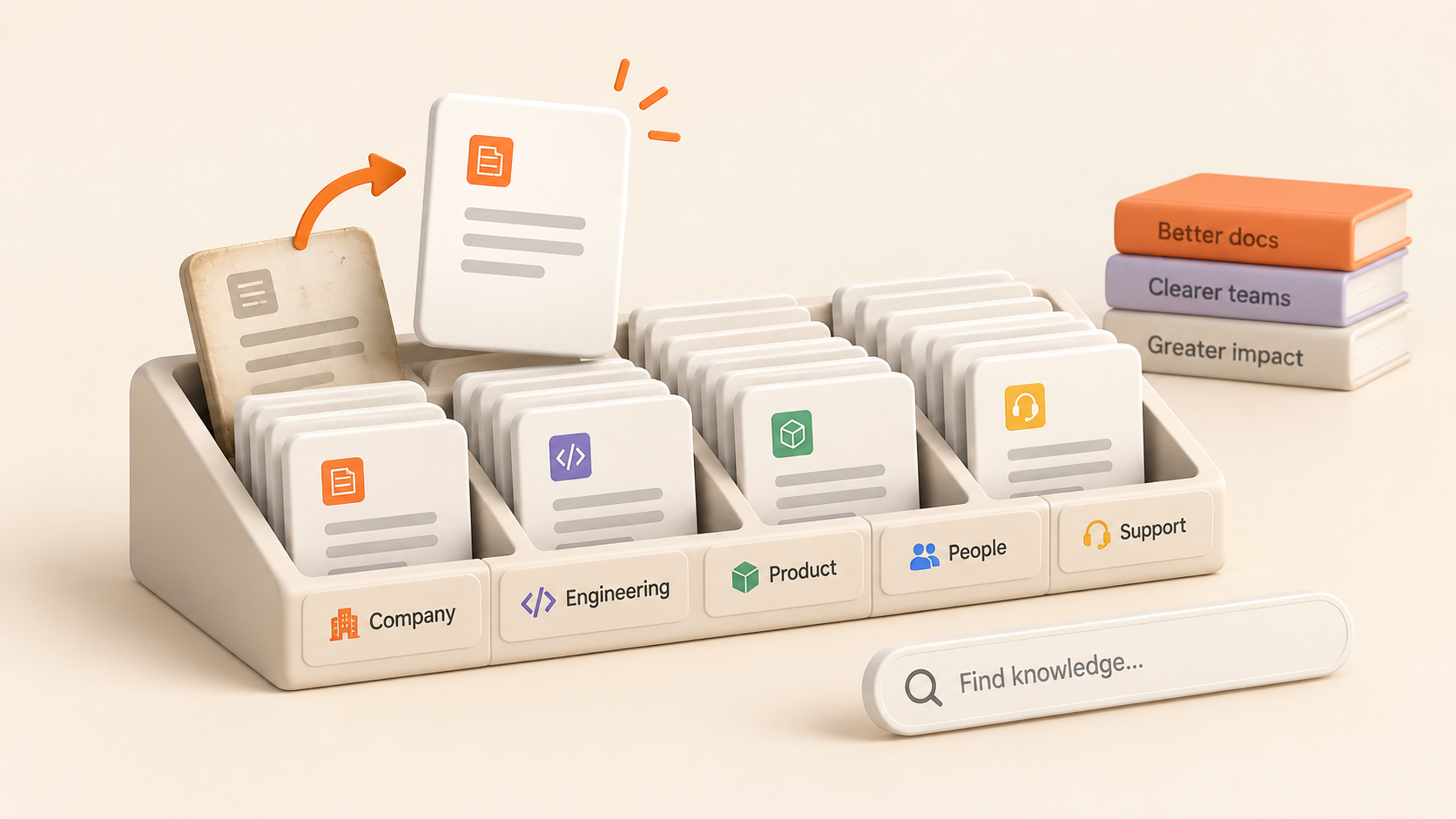
A practical guide to building an internal wiki that stays organized, findable, and useful as your team and documentation grow.
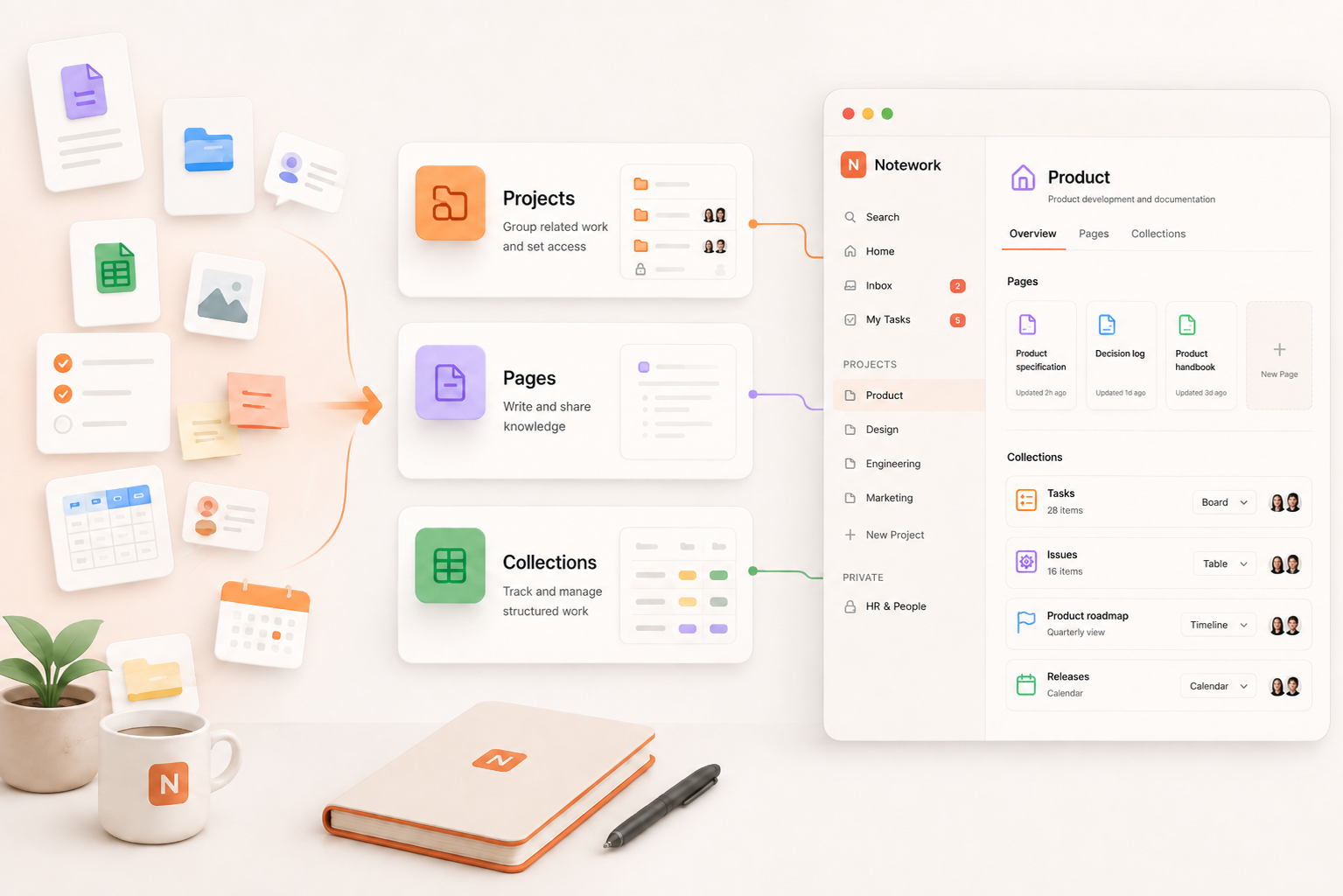
Learn how to organize a team workspace with a clear structure for documentation, projects, tasks, and ongoing work as your team grows.

Learn how to choose a team workspace for documentation, projects, and tasks by evaluating structure, search, permissions, migration, and real-world fit.
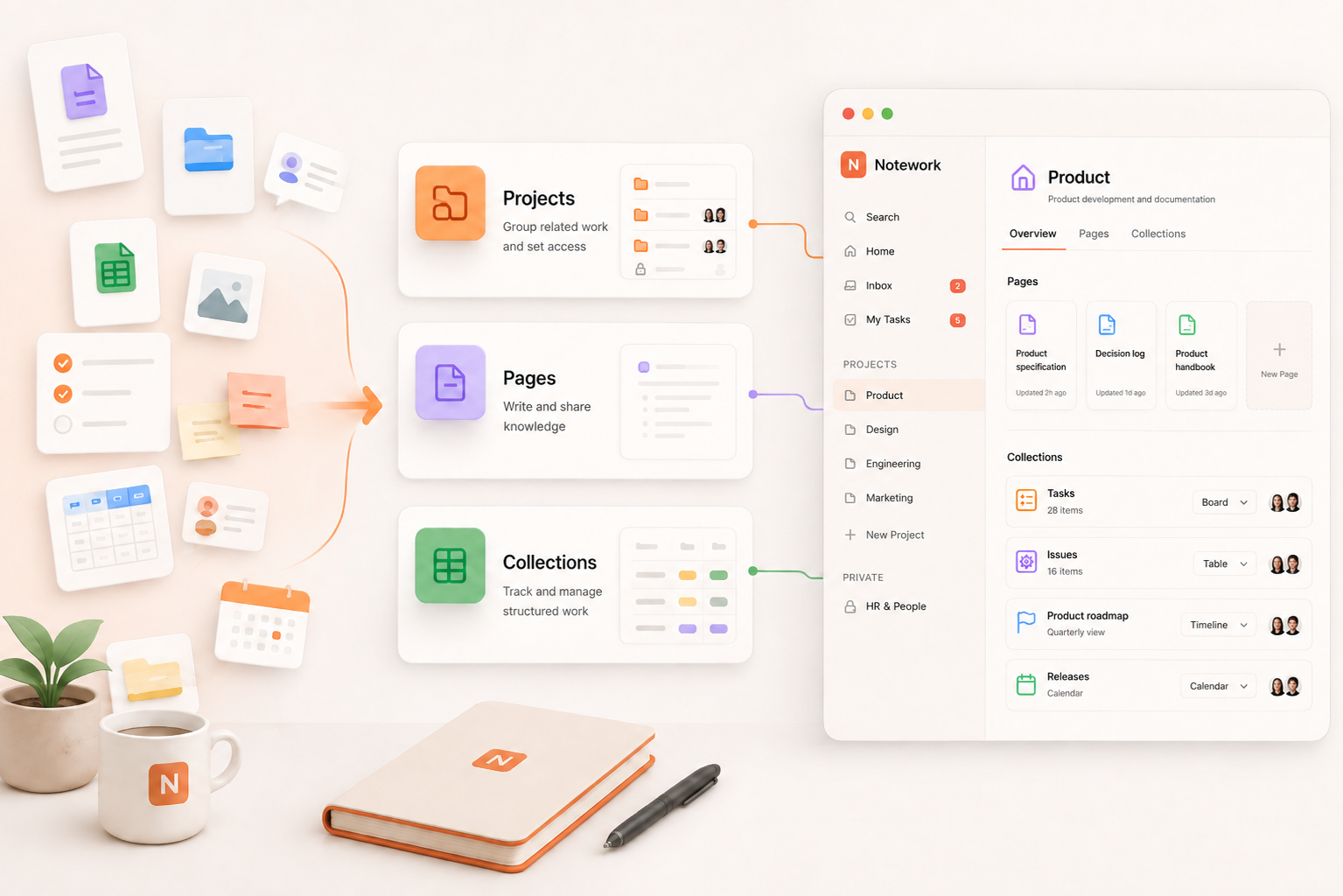
Learn how to organize project documentation so plans, decisions, specs, research, and project context stay easy to find and useful over time.

Explore the tradeoffs between flexible and structured team workspaces, and learn when more predefined organization can make work easier to navigate.
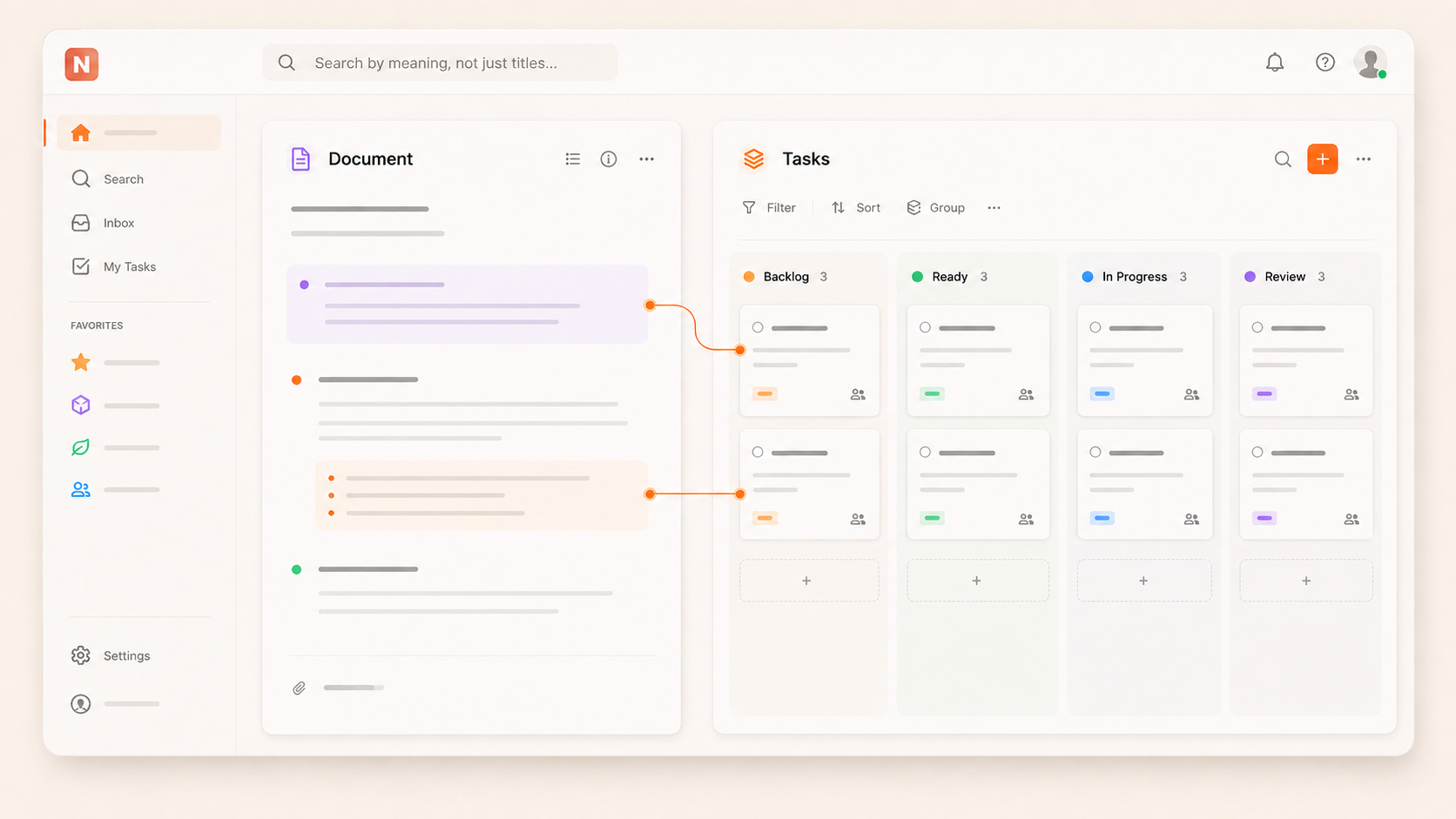
Learn why keeping project documentation and tasks in the same workspace can help teams connect context, decisions, and tracked work without mixing their roles.